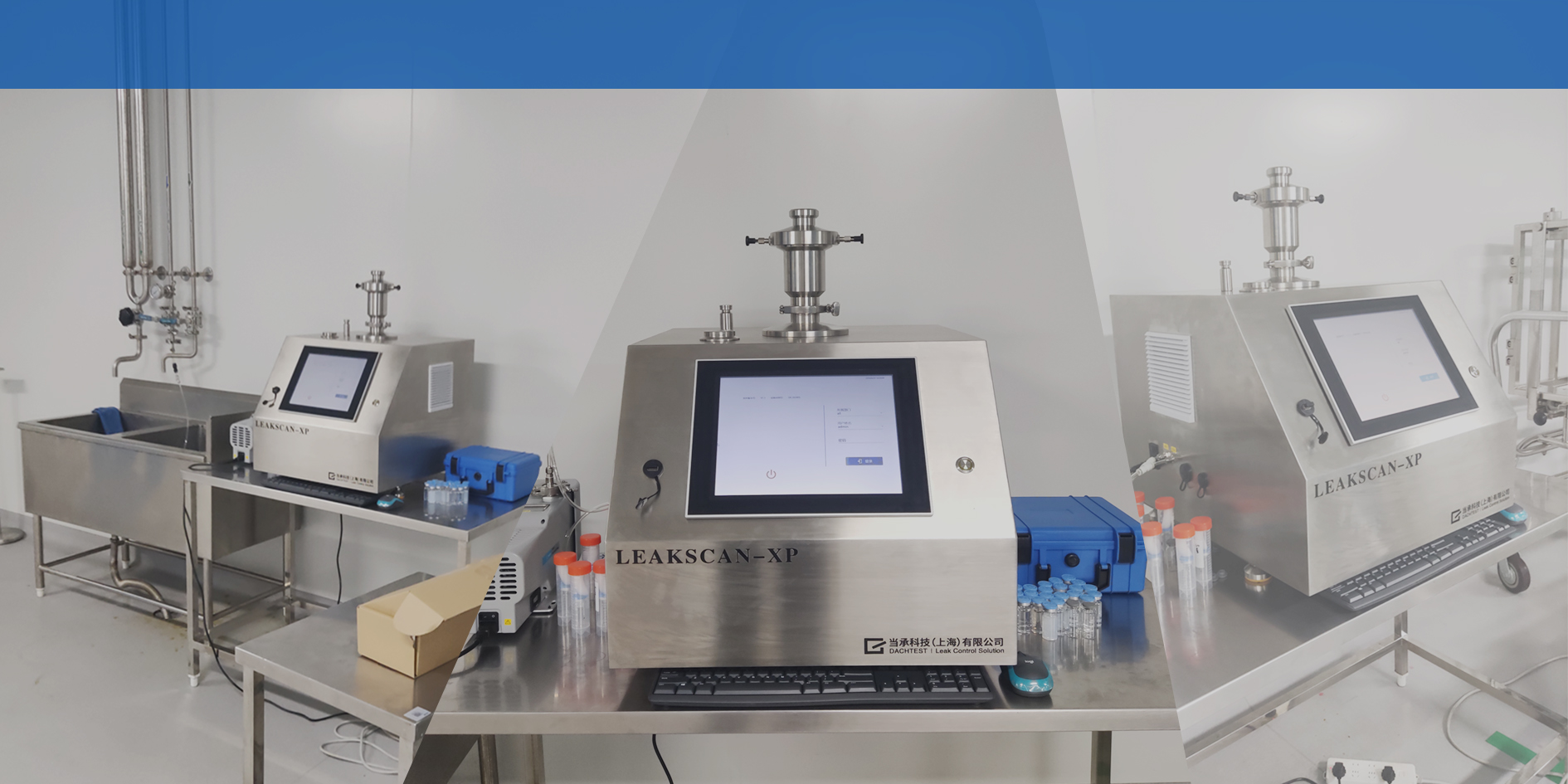


包装容器密封完整性检测参考文献
Non-destructive testing of foil pouches. Determining a reliable method for checking for punctures
来源:
|
作者:pmo90dc87
|
发布时间 :2018-08-15
|
2792 次浏览:
|
🔊 点击朗读正文
❚❚
▶
|
分享到:
ABSTRACT
Several technologies used for checking for punctures in foil pouches were reviewed.
There were two that would be applicable, these were the Vacuum decay and Force decay
methods. Vacuum decay is a method where the pouch is placed into a sealed chamber and
a vacuum is applied. This vacuum will create a pressure differential from the inside of the
pouch to the outside. After the vacuum is switched off the vacuum level is monitored and
a change is measured. If a puncture exists there will be a change that is larger than one
expected due to imperfections in the test chamber. This method will work unless the
pouch has a very large puncture or it is not sealed. In this case there will not be a change
in the vacuum decay measurement.
The force decay starts like the vacuum decay except that a transducer is used to measure
the force exerted on a plate resting on the pouch. The inflation of the pouch due to
pressure differential is the source of the force. The vacuum is applied until a
predetermined force measurement is achieved then it is monitored for the rate of decay in
the force reading. The accept/reject set point determines if the pouch is good or bad.
We tried to locate off the shelf test units capable of predicting a 50µm hole 100% of the
time. Pouches were provided to various manufactures and they were asked to create
specific holes and do the required testing. It was determined that the Force Decay method
is the most appropriate test.
Several technologies used for checking for punctures in foil pouches were reviewed.
There were two that would be applicable, these were the Vacuum decay and Force decay
methods. Vacuum decay is a method where the pouch is placed into a sealed chamber and
a vacuum is applied. This vacuum will create a pressure differential from the inside of the
pouch to the outside. After the vacuum is switched off the vacuum level is monitored and
a change is measured. If a puncture exists there will be a change that is larger than one
expected due to imperfections in the test chamber. This method will work unless the
pouch has a very large puncture or it is not sealed. In this case there will not be a change
in the vacuum decay measurement.
The force decay starts like the vacuum decay except that a transducer is used to measure
the force exerted on a plate resting on the pouch. The inflation of the pouch due to
pressure differential is the source of the force. The vacuum is applied until a
predetermined force measurement is achieved then it is monitored for the rate of decay in
the force reading. The accept/reject set point determines if the pouch is good or bad.
We tried to locate off the shelf test units capable of predicting a 50µm hole 100% of the
time. Pouches were provided to various manufactures and they were asked to create
specific holes and do the required testing. It was determined that the Force Decay method
is the most appropriate test.
微信公众号

服务热线:
联系我们
地址:上海宝山区罗宁路1288弄联东U谷22号楼A栋203室
电话:021-56633066/56633166
手机:18500186197
邮箱:jackge@dchtest.com
网址:https://www.dchtest.com/
设备展示
021-56633066
产品中心
当承科技