Ozone Detection in Pharmaceutical Containers
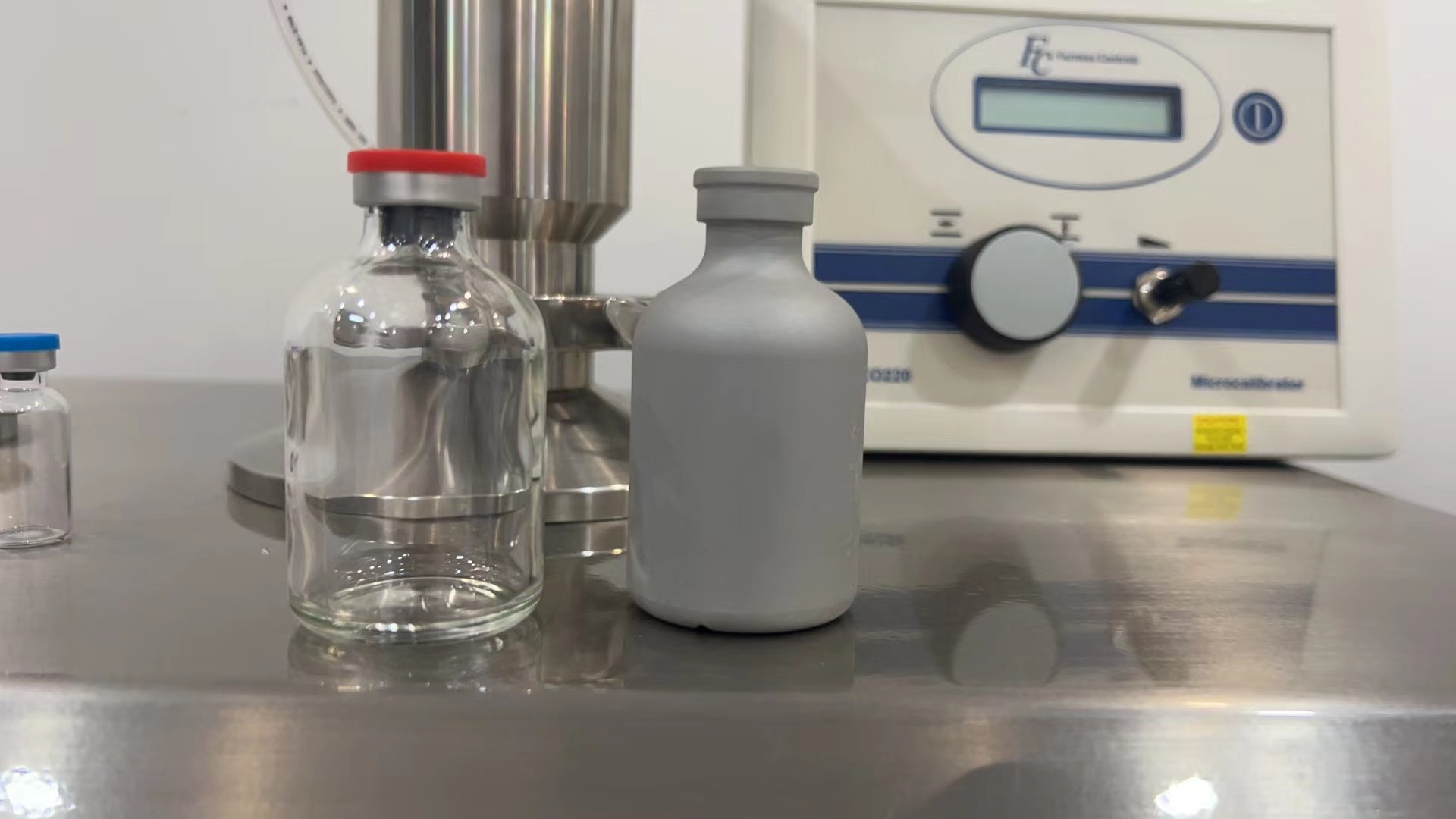
Pharmaceutical vials are subjected to a high voltage leak detection (HVLD) test. A
high voltage (up to 30kV) is passed across the surface of the vial and the presence
of a crack is detected through a change in the current. HVLD has been linked to
the breakdown of active pharmaceutical ingredients (APIs) and it is hypothesised
that ozone, a strong oxidising agent, generated as a consequence of the high
voltage, is responsible. (1) It is crucial that the manufacturing process is designed
to minimise any changes to the molecular structure of biopharmaceuticals and
this extends to ensuring that container integrity testing does not cause product
degradation.
Container Closure Integrity Assurance throughout Manufacturing Processes
• Bag integrity failures significantly impact:
– Patient & operator safety
– Drug availability
– Cost
• Increasing regulatory scrutiny on SU Container
Closure Integrity Testing (CCIT)
• Lack of common understanding
Awareness Critical for Container Closure Components
The most important takeaway for participants of PDA’s 2017 PDA Container Closure, Devices and Delivery Systems: Compatibility and Material Safety Workshop can be summed up in one word: awareness. As the complexity of delivery systems and drug/device combination products increases, the task of qualifying components fit for use becomes especially challenging, necessitating greater awareness of regulatory requirements and current trends.
Microbial Ingress No Longer an Effective CCI Test Method
In the realm of pharmaceutical sciences, ensuring the integrity of parenteral container closures is paramount to maintaining product sterility and safety.
The methods employed for container–closure integrity (CCI) testing play a crucial role in this process, influencing regulatory compliance and product quality assurance. At its core, CCI testing aims to prevent the ingress of contaminants into pharmaceutical products, particularly in parenteral formats where sterility is non-negotiable. Microbial-ingress testing was a practical mode for evaluating a container’s ability to maintain sterility. The integrity of a closure directly impacts the product's shelf life, efficacy and, overall, patient safety. Historically, the evaluation of sterility and CCI were tightly intertwined, and microbial-ingress testing was the gold standard to establish CCI and product sterility.
With the advent of new drug products, delivery systems and inspection technologies, the microbial-ingress test method has lost scientific relevance for CCI.
Container Closure Integrity Testing: CDER Perspective
Container Closure Integrity Testing
(CCIT) in CDER
• Evolution of CCIT
• CDER’s Expectations for Microbial Ingress Testing
• Microbial Ingress Case Study
地址:上海市宝山区呼兰路799号智汇园4号楼(一楼)413单元
当承科技